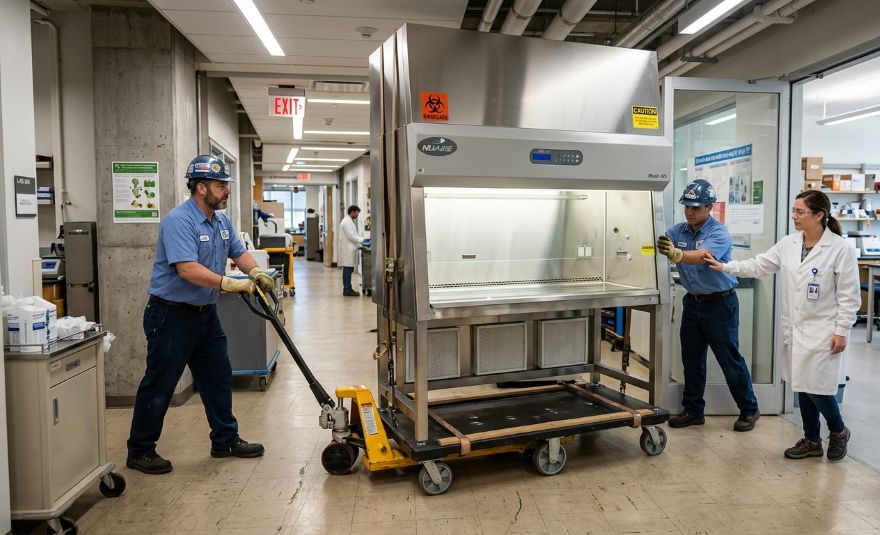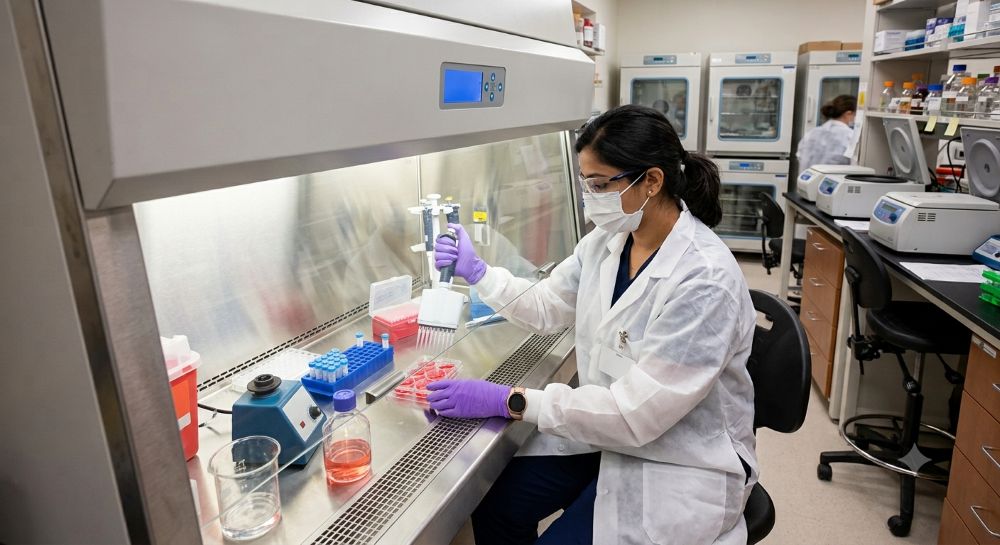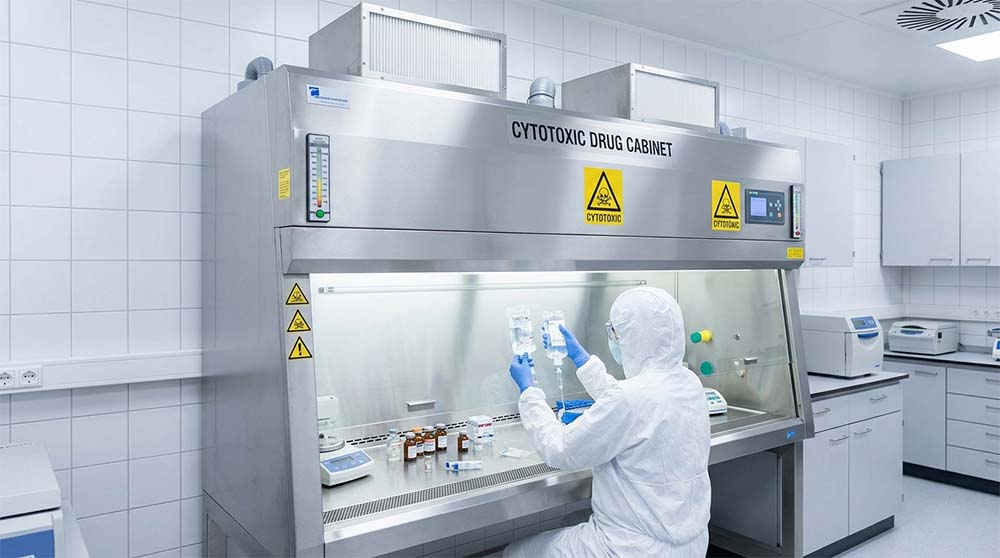
















Choosing the wrong Class II biological safety cabinet can create more than a procurement problem. It can affect operator protection, product protection, exhaust design, maintenance access, room balance and future certification.
Class II biological safety cabinets are built to protect the operator, product and environment through controlled inward airflow, HEPA-filtered downflow and filtered exhaust. The confusion starts because A2, B1 and B2 cabinets can all sit under the “Class II” label, yet they don’t manage recirculated and exhausted air in the same way.
The right choice depends on what your lab handles, how the cabinet will be installed and what your facility’s risk assessment requires.
Start with the work, not the cabinet label
A Class II cabinet is usually considered where biological containment and product protection are both needed. That can include microbiology, biomedical research, pathology, pharmaceutical work, environmental testing and other applications involving biological samples or procedures that may create aerosols.
The cabinet type should follow the work. Ask:
- Are you handling biological material only, or biological material with small quantities of volatile chemicals?
- Does the work require product protection, operator protection and environmental protection?
- Will the cabinet exhaust back into the room or connect to the building exhaust system?
- Does the room have the air supply and exhaust capacity to support the cabinet?
- What standard, SOP, regulator expectation or internal quality requirement applies?
A useful warning sign is when a specification asks for “a biosafety cabinet” without stating the application, hazard profile, installation conditions and certification pathway.
For a broader look at cabinet types, testing requirements and selection factors, read our guide: The Complete Guide to Biological Safety Cabinet Testing, Certification & Selection in Australia.
Class II A2 is often the practical choice for biological work
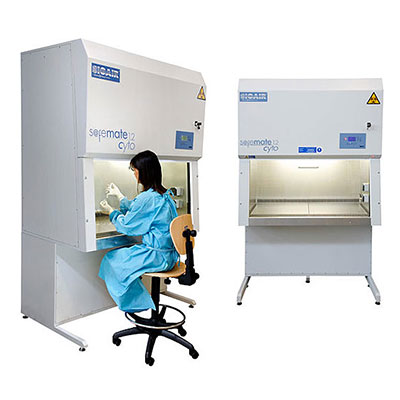
A Class II A2 biological safety cabinet is commonly used for routine microbiological and biomedical applications where protection of the operator, product and environment is required. A2 cabinets recirculate a portion of HEPA-filtered air within the cabinet and discharge HEPA-filtered exhaust either back into the room or through a suitable exhaust connection, depending on the installation and model.
This makes A2 cabinets a practical option for many laboratories because they don’t necessarily require hard ducting. They can also be easier to place within existing facilities, provided the room layout, airflow, heat load, access and certification requirements are checked properly.
A2 does not mean “suitable for everything.” It is not a substitute for a chemical fume cupboard, and it should not be chosen for work involving hazardous chemical vapours unless the cabinet, risk assessment and facility design support that use.
At LAFtech, we supply and support biological safety cabinets for Australian laboratories that need equipment selection, installation support and ongoing servicing aligned with the way the cabinet will actually be used.
B1 cabinets suit narrower exhaust-driven applications
A B1 biological safety cabinet uses a different airflow pattern. A portion of the air is exhausted through a dedicated external exhaust system, while some air is recirculated through HEPA filtration. This can suit specific procedures where work is performed in the correct region of the cabinet and where the building exhaust system is designed to support the cabinet.
The practical issue is not just cabinet cost. B1 cabinets place more demand on facility design, exhaust connection, airflow verification and user training. Operators need to understand where work should be performed inside the cabinet because airflow zones matter.
A B1 cabinet can be the wrong choice if the lab assumes it behaves like an A2 cabinet with “extra exhaust.” It does not. It needs the right installation context.
B2 cabinets exhaust all cabinet air
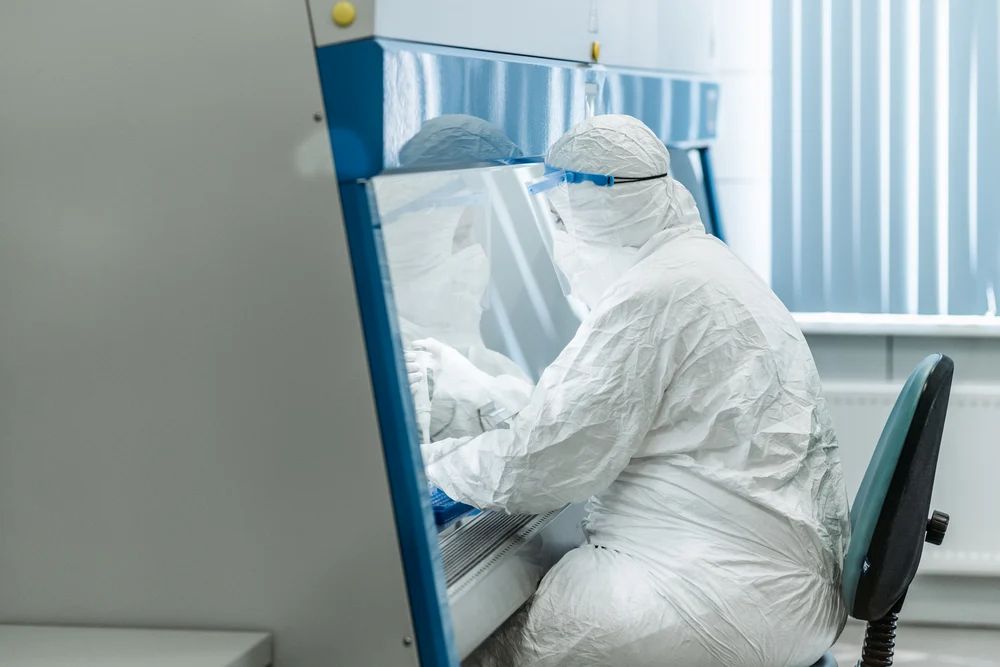
A B2 biological safety cabinet is a total exhaust cabinet. It does not recirculate cabinet air back into the work zone. All inflow and downflow air is exhausted through a dedicated exhaust system after filtration.
This can make B2 cabinets relevant for higher exhaust-demand applications, but it also makes them more demanding to install and operate. They typically require dedicated ducting, suitable building exhaust capacity and careful room air balance. Energy use, make-up air, alarm response, certification access and service planning should all be considered before purchase.
For many labs, B2 is not the safest default choice simply because it exhausts more air. If the facility cannot support the cabinet properly, performance and usability can suffer.
A2 vs B1 vs B2
| Cabinet type | Airflow and exhaust pattern | Often considered for | Key planning issue |
| Class II A2 | Recirculates some HEPA-filtered air and exhausts some HEPA-filtered air | Routine biological work requiring operator, product and environmental protection | Confirm chemical limitations, room suitability and certification needs |
| Class II B1 | Exhausts a defined portion through a dedicated exhaust system and recirculates the balance | Specific applications needing more direct exhaust in defined work zones | Work position, ducting and building exhaust design matter |
| Class II B2 | Exhausts all cabinet air through a dedicated exhaust system | Applications requiring total exhaust cabinet design | Exhaust capacity, make-up air, energy use and service access |
Testing and service history matter after selection
Cabinet choice is only the first step. The cabinet still needs correct installation, certification, servicing and documentation. A cabinet that was suitable on paper can become a risk if airflow is disturbed, filters degrade, alarms are ignored, room conditions change or service records are incomplete.
For regulated or quality-sensitive facilities, documentation matters because it shows that the cabinet has been checked using an appropriate method and within the facility’s quality framework. LAFtech provides NATA-accredited testing services across defined scopes, including testing related to controlled environments and critical equipment. We also support laboratories through servicing, maintenance and technical support where equipment performance needs to be managed over time.
Frequently Asked Questions
Is a Class II A2 cabinet enough for most labs?
For many biological applications, an A2 cabinet is a practical and common choice. The final decision should still account for the material handled, chemical use, room layout, exhaust needs, applicable standards and internal SOPs.
Can a BSC replace a fume cupboard?
No. A biological safety cabinet and a fume cupboard are designed for different hazards. A BSC is not automatically suitable for chemical vapours, even if it has HEPA filtration or external exhaust.
Should procurement choose the highest-exhaust cabinet to be safer?
Not automatically. A B2 cabinet can be the wrong choice if the room and exhaust system cannot support it. Safety depends on matching the cabinet, facility design, use pattern, testing method and maintenance plan.
Choosing between A2, B1 and B2 starts with the real work being performed, not a preference for the most complex cabinet. If your lab is specifying new contamination control equipment or reviewing an existing cabinet, contact our team so we can help align the equipment, testing and support pathway with your facility’s risk profile.