














For Australian sterile manufacturers, Annex 1 has raised the standard from having individual contamination controls to showing that contamination risk is understood and managed through one connected strategy. Under PE009-17, the updated Annex 1 now applies in Australia, and the contamination control strategy, or CCS, sits at the centre of that expectation.
A CCS is not a document created only for inspection. It should explain how the facility prevents contamination, how it verifies that controls are working, and how it responds when performance starts to drift. If contamination controls are scattered across SOPs, validation reports, monitoring records, training files, and deviation investigations without a clear structure linking them, the site may struggle to show that contamination is being managed coherently.
A CCS is not just monitoring with a new title
One of the easiest mistakes is to reduce the CCS to an environmental monitoring plan. Monitoring matters, but it comes after design, process control, and procedures. Sterility assurance starts with the way the facility, equipment, process, and workflows are designed. Monitoring then confirms whether those controls remain effective.
A practical CCS starts with contamination pathways. Where can microbial, particulate, or endotoxin contamination arise? How could it reach exposed product, sterile components, product contact surfaces, or critical process steps? Which controls are meant to stop that, and how is the site verifying that they work over time? If a CCS only lists sampling points and alert limits, it is incomplete.
The CCS needs to sit inside the pharmaceutical quality system
The CCS should connect to the systems that govern sterile manufacture: change control, deviations, CAPA, qualification, validation, cleaning and disinfection, monitoring, maintenance, training, material control, and periodic review.
It also has to stay current. It should be reviewed when processes change, new equipment is introduced, cleanroom layouts are revised, disinfectants are changed, transfer routes are altered, or monitoring trends indicate loss of control.
Design is a primary contamination control
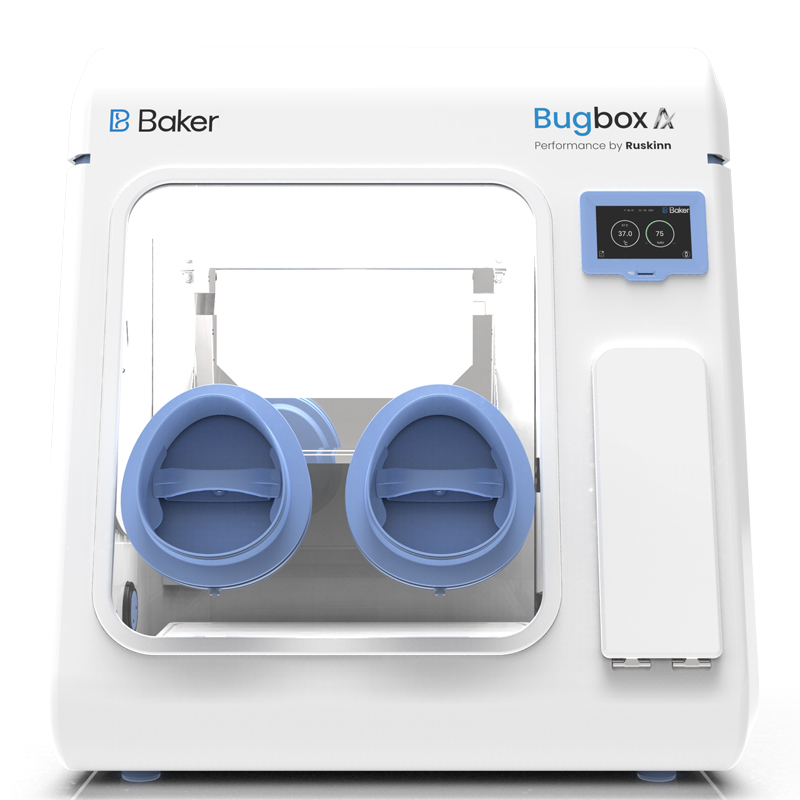
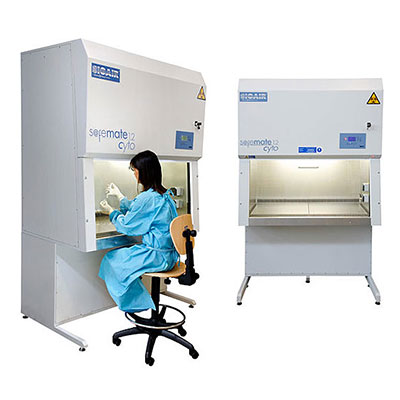
Annex 1 gives strong weight to design because prevention is more reliable than detection. That includes facility layout, room segregation, HVAC design, utilities, transfer paths, equipment design, and process configuration. It also includes reducing human intervention in critical areas through isolators, RABS, automation, closed processes, and preassembled sterile assemblies.
A strong CCS should show how design reduces contamination risk before monitoring is discussed. It should explain how operator exposure has been limited, open handling reduced, first air protected, and material and equipment movement controlled.
Airflow, pressure, and transfer controls need to be specific
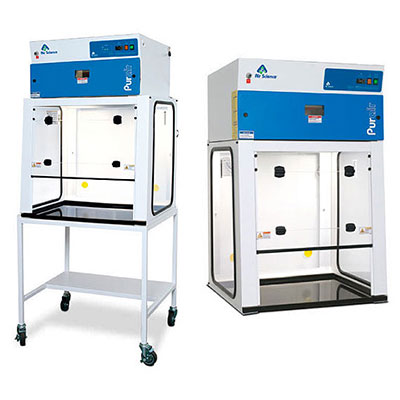
Sterile operations depend heavily on how air, people, materials, and equipment move through the facility. A CCS should describe those controls in concrete terms. That includes how airflow protects critical zones, how unidirectional airflow has been assessed, how pressure cascades are maintained where relevant, and what happens when warnings or alarms occur. It should also explain how materials are transferred into higher-grade areas, how items are approved and disinfected before entry, and how airlocks or pass-through arrangements support control.
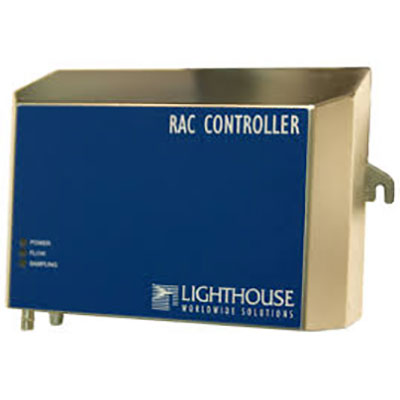
Where these controls rely on monitored data, the system behind that data matters. In some facilities, that may mean using an environmental monitoring platform such as Lighthouse’s LMS Pharma and LMS Express, along with Vaisala’s viewLinc Cloud or Enterprise system to capture, review, and alarm environmental conditions in a controlled way. The point is to make sure critical controls have reliable, reviewable data behind them.
Cleaning, disinfection, and barrier integrity need evidence
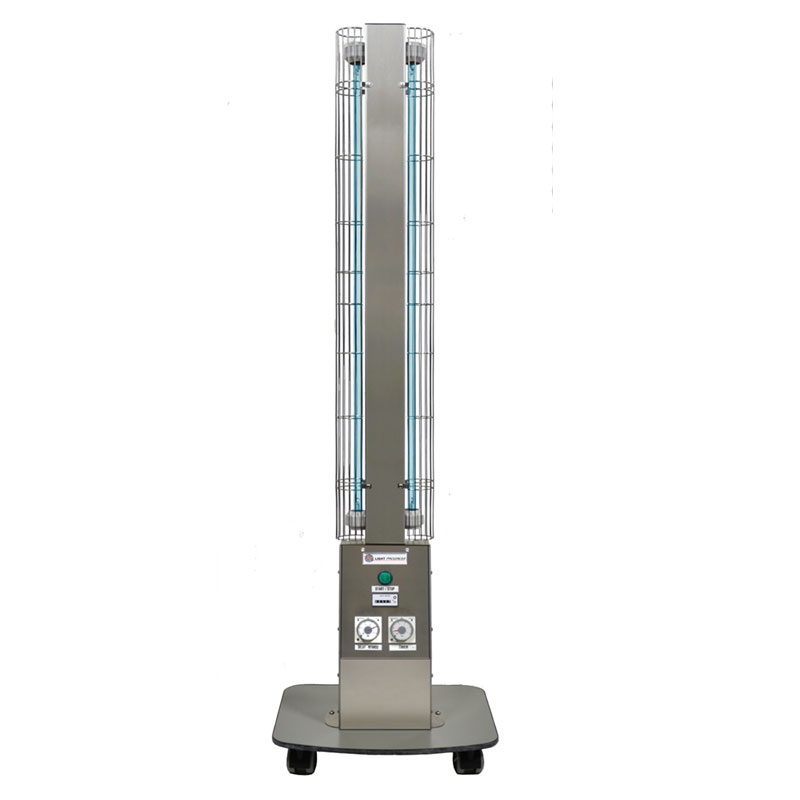
Annex 1 expects cleaning and disinfection to be supported by evidence, not routine habit. A written programme is necessary, but it also needs justification and validation. The site should be able to show how cleaning removes residues and debris that may interfere with disinfectant performance, and how disinfectant selection, contact time, use conditions, and effectiveness are controlled in practice.
Barrier systems also need detail. For isolators and RABS, the CCS should define glove management, material suitability, inspection, replacement frequency, and integrity testing in a way that matches the actual system and process risk.
Personnel remain important, but they are not the only control
Personnel are a major source of risk in sterile manufacture, but contamination should not be treated as a behaviour problem alone. The expectation is to control that risk through design, procedures, qualification, and disciplined operation.
Training should therefore be specific to sterile risks. Operators need to understand airflow protection, intervention risk, gowning discipline, transfer practice, cleanroom movement, and the reasons behind site controls. A useful CCS links personnel controls to contamination pathways and shows how operator involvement has been reduced where possible.
Monitoring should drive decisions
Environmental and process monitoring remain essential, but Annex 1 expects monitoring to be risk-based and useful. Collecting data is not enough unless the data supports action. A CCS should explain why the monitoring strategy suits the process and facility, how viable and non-viable monitoring support contamination control, how alert and action responses are defined, how trends are reviewed, and how results feed into investigations, batch assessment, and improvement work.
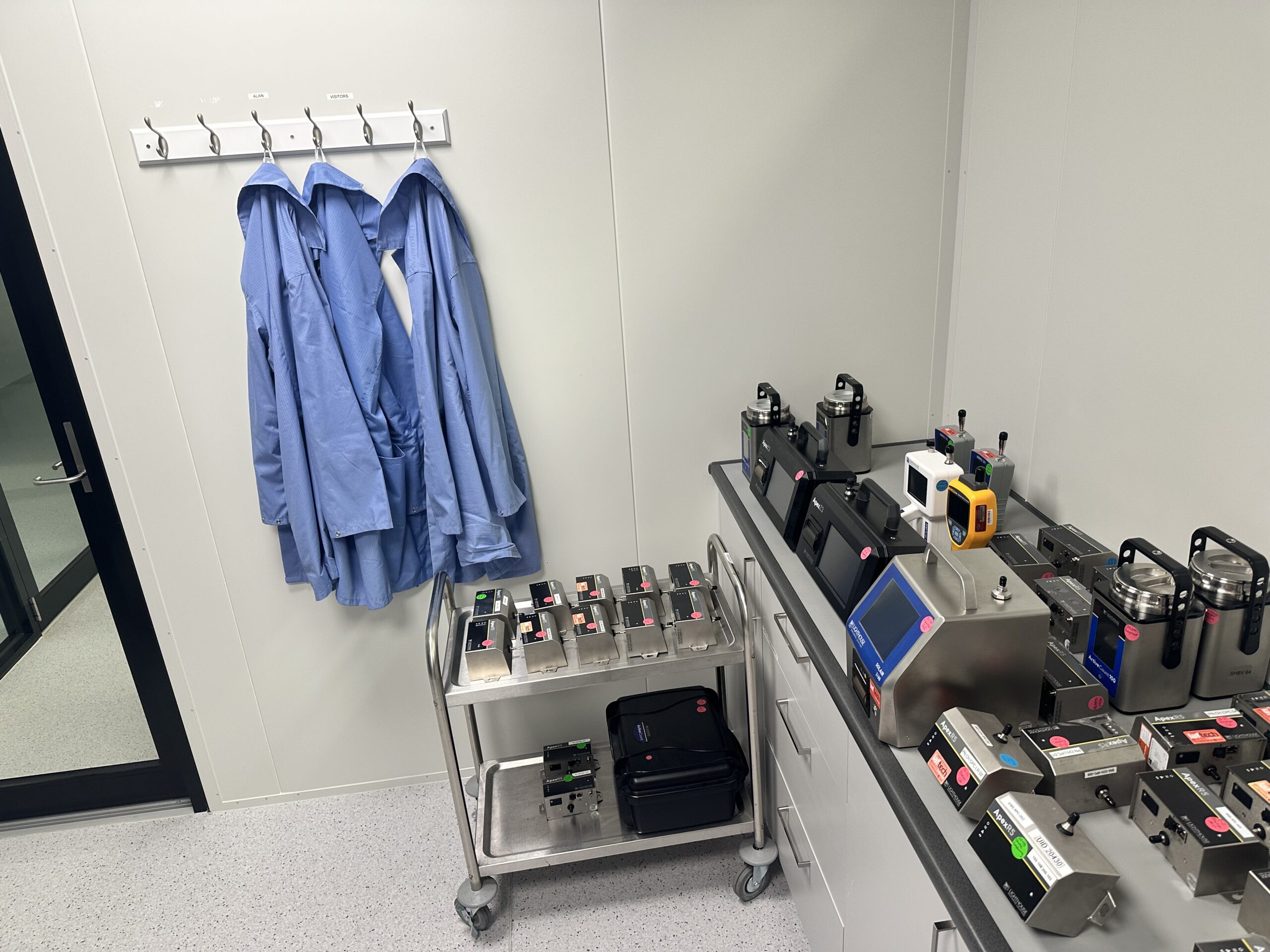
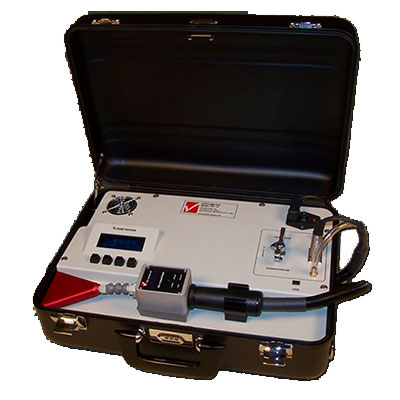
Where continuous or targeted monitoring is needed, the tools should fit the application. A remote viable monitoring solution such as Lighthouse ActiveCount may support continuous microbial monitoring in critical spaces, while a portable particle counter such as the Lighthouse APEX Z3 may be better suited to qualification work, spot checks, or investigations. The equipment itself is not the CCS, but it can support verification when chosen and validated properly.
Monitoring data also has to be credible. That is why calibration, testing, qualification, and system validation should sit close to the CCS. LAF tech’s NATA-accredited testing, calibration, IOQ, commissioning, and validation services fit into this part of the picture because monitoring data needs to be defensible.
What Annex 1 expects in practice
A review-ready CCS should read like an operating control framework, not a high-level summary. It should show how contamination risks have been identified, what controls are in place, why they are appropriate, how they are verified, and how the system is reviewed over time.
For Australian sterile facilities, that means the CCS should be current, connected to real operations, and detailed enough to support change control, qualification, investigation, monitoring, and management review.