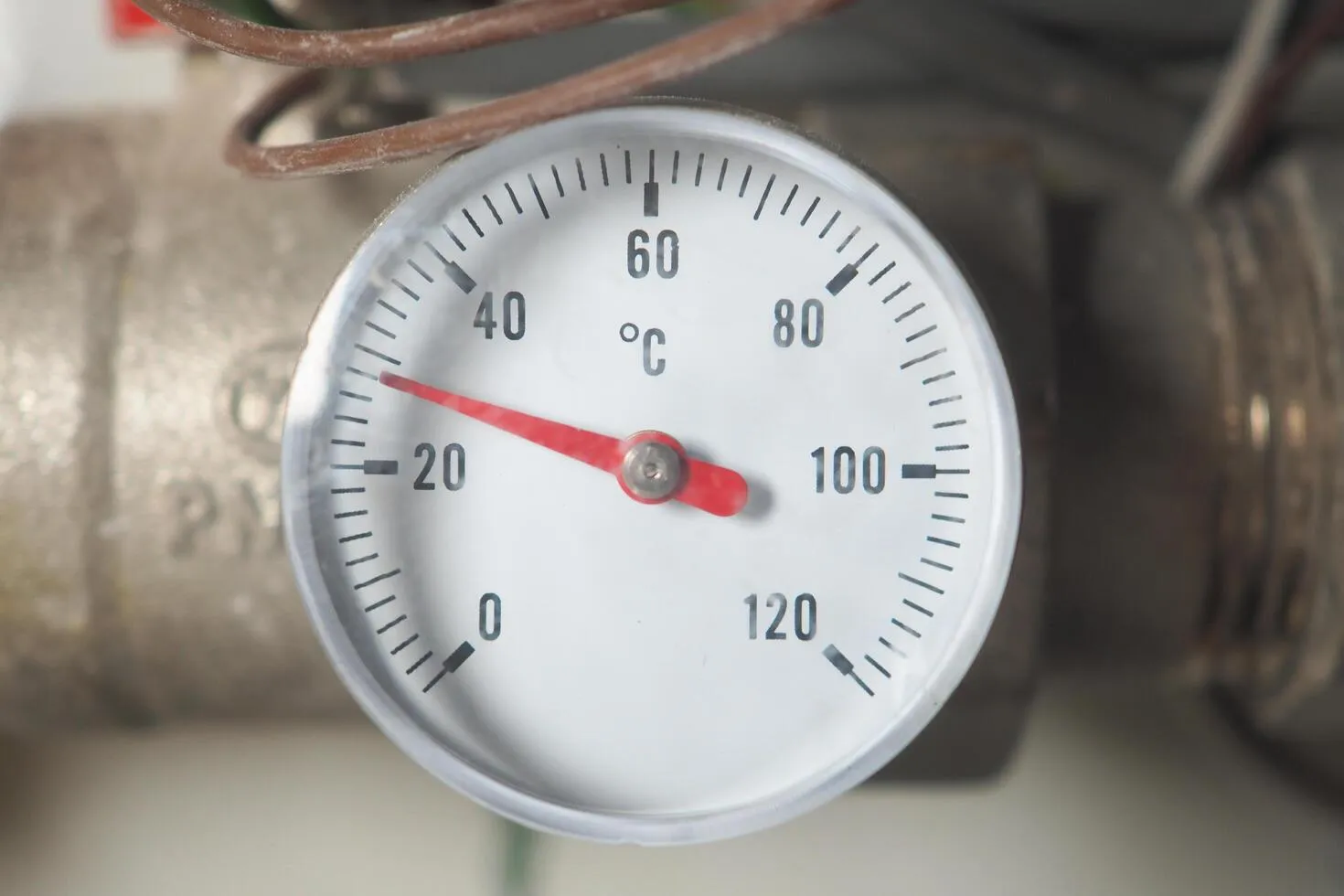


















Calibration is the process of checking a measurement instrument against a known reference and adjusting it when needed, so the readings match that reference within an agreed tolerance.
In regulated industries such as life sciences, pharmaceuticals, medical devices, cleanrooms, and advanced manufacturing, calibration is not optional. It directly impacts:
- Product quality
- Regulatory compliance
- Data integrity
- Patient and user safety
If an instrument is out of tolerance, the numbers it produces are hard to defend, and the decisions based on those numbers can fall over in an audit.
Why Calibration is Critical for Compliance and Quality
Regulated work runs on evidence. Logs, batch records, investigations, and release decisions all depend on measurement.
Calibration keeps equipment performing accurately and consistently over time, and it creates records you can stand behind.
Small drift can have outsized effects: a temperature probe reading 2 °C high can push a stability study out of limits, or mask an excursion that should trigger an investigation.
TGA PIC/S guide to good manufacturing practice (GMP), for example, require certain equipment and plant to be routinely calibrated, inspected, or checked under a written program, with records maintained.
In practice, calibration supports:
- Alignment with recognised frameworks and customer requirements
- Reliable data during audits and investigations
- Reduced risk of false passes and false failures
- Confidence that instruments behave as expected
What Equipment Typically Requires Calibration?
Calibration applies to any instrument that measures, monitors, or controls an important parameter. If a value is recorded, reported, trended, or used to release product, it should sit inside the program.
Common examples include:
- Temperature probes and data loggers
- Pressure sensors and transmitters
- Flow meters
- Balances and scales
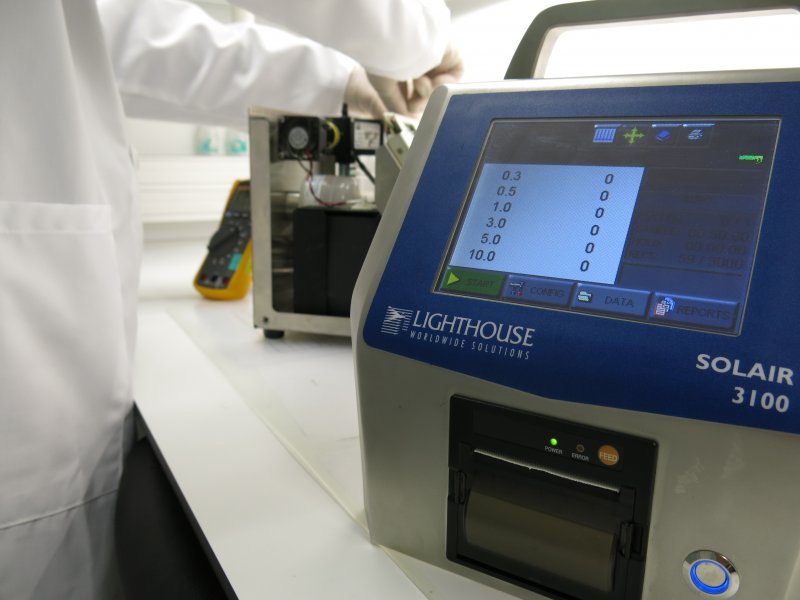
- Particle counters and other cleanroom instrumentation
- Environmental monitoring systems
For organisations working in calibration in regulated environments, linking instruments to the decisions they support helps set sensible priorities.
How Calibration is Performed (Step by Step)
A standard calibration process typically includes:
- Comparison to a reference standard
The instrument under test is compared against a certified reference with traceability to national or international standards.
- Measurement across defined points
Readings are checked across the operating range, based on how the instrument is actually used.
- Assessment against tolerance
Results are evaluated against manufacturer specifications or site-defined limits.
- Adjustment and retest (if required)
If results fall outside tolerance and adjustment is possible, the instrument is adjusted and retested.
- Documentation and certification
A calibration certificate is issued, recording results, traceability, and conditions.
Clear documentation is as important as the measurement work itself, because it is what makes the result usable months later when questions arise.
What “Traceable Calibration” Actually Means
Traceability means a measurement result can be related to appropriate standards through an unbroken chain of comparisons, with stated uncertainty.
In Australia, the National Measurement Institute maintains primary measurement standards and provides traceability to the SI. That gives audits a clear answer to the question, “Can this measurement be trusted beyond this site?”
How Often Should Equipment Be Calibrated?
Calibration frequency depends on:
- Manufacturer recommendations
- Regulatory and customer expectations
- The importance of the measurement to quality or safety
- Historical stability of the instrument
- Usage conditions
Many companies choose a starting schedule (for instance, “calibrate every 12 months”). After they collect enough results over time, they may change the schedule based on what the data shows. That approach is called risk-based calibration.
In cleanrooms, it’s also important to follow what the industry normally accepts. ISO 14644 says your particle counter should have a valid calibration certificate, and the calibration method and frequency should follow accepted practice.
Common Calibration Mistakes to Avoid
Common problems include:
- Calibrating without defined tolerances
- Missing or incomplete certificates
- Using reference standards with weak traceability
- Overlooking environmental conditions
- Treating calibration as paperwork rather than control
Here’s what you should do:
- Calibrate on a schedule: TGA (PIC/S GMP) says measuring, weighing, recording and control equipment must be calibrated and checked at defined intervals, using suitable methods, and you must keep records.
- Use clear paperwork: Your procedures and records should be written clearly so you can show what was done, when, and by whom.
- Control faulty gear: PIC/S GMP says defective equipment should be removed from production/QC areas (if possible) or clearly labelled as defective.
- Make it traceable: According to NATA, metrological traceability means a written record showing a continuous chain of calibrations with no gaps, and each calibration adds to the overall measurement uncertainty.
Calibration vs Verification: What’s the Difference?
- Calibration confirms performance against a reference across defined points and provides traceable documentation. It may include adjustment.
- Verification checks whether equipment is within limits at a point in time. It can help between calibrations, yet it may not include adjustment or a full traceability chain.
In regulated environments, verification can support a program, but it rarely replaces calibration where traceable standards and documented evidence are expected.
In Short: Why Calibration Matters
Calibration underpins trustworthy data, consistent quality, and defensible decisions.
If you use external providers, accreditation is a useful signal. With NATA accredited calibration, a laboratory is assessed against competence requirements for testing and calibration, and its scope is published.
Frequently Asked Questions:
- What is the difference between calibration and adjustment?
Calibration is the check against a reference with recorded results. Adjustment is the action taken to bring a device back within tolerance. Some instruments cannot be adjusted. Calibration still records performance and shows whether the device is fit for use.
- How do I know whether a certificate will satisfy an auditor?
Look for instrument identification, test points and results, a pass or fail statement, traceability of the standards used, and the conditions during testing. If anything is missing, ask for a reissued report.
- Do I need accredited calibration for every instrument?
Not always. Low impact devices may be suitable for internal checks. When measurements support release decisions or safety outcomes, accredited services provide evidence and reduce debate during audits.
- What does ISO 17025 mean?
It is a standard for laboratory competence. A lab assessed to ISO/IEC 17025 is expected to control methods, people, equipment, traceability, and reporting.
- What does it mean when a standard is NIST traceable?
It means the result links back through an unbroken chain of comparisons to national standards, with stated uncertainty, often described as measurement traceability.